
Almost every event needs vendors. Whether you’re organizing a rodeo, fair, festival, or community event, you’re probably looking for a mix of food and merchandise vendors to keep your guests happy and engaged. But where do you begin?
When planning vendors for your first event, you likely have questions like:
We’ve learned a lot about getting vendors over our years of event planning, and we want to share some of that experience with you.
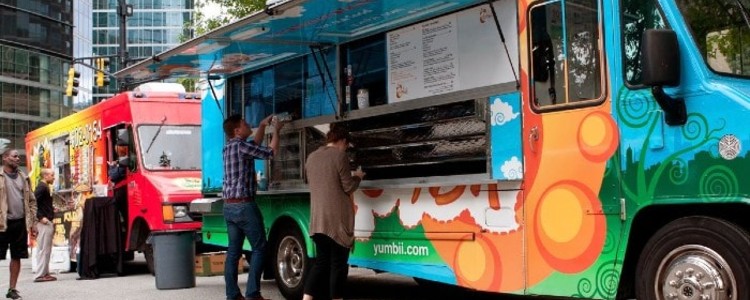
This can be tricky when you’re running a first-time event. Vendors often hesitate to attend new events because they don’t know what to expect or how busy they’ll be. As soon as your event dates are confirmed, start reaching out and make the case that attending your event will be worth their time.
For food vendors, start by approaching a local service club with a food trailer, groups like a Lion’s Club are typically volunteer-staffed, attend local events, and don’t need as high a return to break even. Our local Lion’s Club chip wagon has been a favourite at our rodeo since year one. You can also look for local food trucks that are just starting out and actively looking for events to build their presence.
For merchandise vendors, the bar is often lower, their setup costs are generally less than a food vendor’s, since they don’t need an expensive truck or perishable inventory. These vendors are usually easier to convince, especially in year one.
A simple and effective tactic: post in a local Facebook group asking for vendors interested in attending your event. You’ll usually get responses quickly, particularly from crafters, artisans, and MLM sellers looking for local opportunities!
The right number depends on your specific event — how long people will stay, how much space you have, and how many attendees you expect.
If you want guests to stay for more than a few hours, food is non-negotiable. For a smaller event, one or two food vendors is a reasonable starting point. At minimum, aim for one “main food” vendor that offers something most people can eat. If it’s going to be hot, an ice cream or lemonade stand is an easy, crowd-pleasing addition.
For merchandise vendors, consider how much downtime exists between your main attractions. Vendors give guests something to browse and enjoy between shows — and the best part for you as an organizer is that they largely manage themselves.
Finding the right number is a genuine balancing act. You want vendors to be busy enough that it’s profitable for them — happy vendors come back next year. But you also want enough variety that guests have options and aren’t stuck in long lines during peak times like halftime or just after the main show.
At our first rodeo we had three food vendors: the Lion’s Club chip wagon, an ice cream truck, and a kettle corn and lemonade vendor. The lines at the chip wagon were extremely long. The vendors all had a great weekend financially, but our guest feedback was clear — they wanted more options and shorter wait times. Start small, collect feedback from both guests and vendors, and grow from there.
For food vendors, choose crowd pleasers first. You may personally love niche cuisine, but unless that’s your target market, go with accessible options that most attendees will enjoy. Look for a vendor with enough variety that almost everyone can find something they like.
For merchandise vendors, try to match your event theme. At our rodeo, one of our most popular vendors is a tack shop selling cowboy boots and western hats. At a campground concert series, the biggest sellers were T-shirts and glow accessories. Think about what your target audience likes to buy.
Unique, locally-made items also draw attention — local crafters and artisans add character to your vendor area. MLM vendors (Scentsy, Tupperware, etc.) tend to be easy to recruit and are generally reliable booth holders.
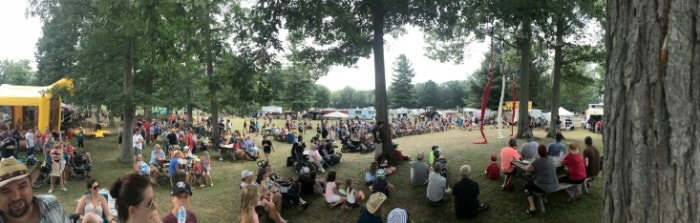
Requirements vary by event type and location. Always check with your local county or municipality when applying for your event permit — rules often differ depending on whether your event is on private or public property.
For food vendors:
For merchandise vendors:
For vendors selling alcohol: Make sure they are properly certified and insured, and that you have completed the required paperwork to permit alcohol sales at your event. This is an area where missing details can create serious liability.
At minimum, your vendor contract should cover:
For a real-world example, you can view and use our vendor application and contract as a template: Norfolk Rodeo Vendor Application
Have questions we didn’t cover? Contact Us and we’ll do our best to help. Happy planning!
Krista is the co-founder of Bleacher Rentals and co-organizer of the Norfolk Pro Rodeo. She loves to share her knowledge on event planning, temporary seating solutions, and bleacher safety gained from years of experience supporting rodeos, fairs, festivals, and sporting events.