
Whether you run a small-town county fair or a large state fair, seating deserves serious attention in your planning.
It doesn’t matter how much you invest in your shows — if people can’t see them, there’s no value. Bleachers solve this problem better than any other seating option: they accommodate large crowds, maximize sightlines, and make the most of limited frontage.
Here’s what to consider when choosing bleachers for your fair.
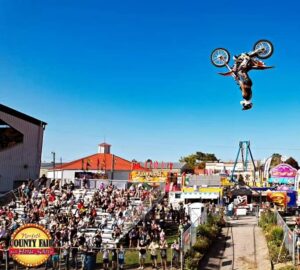
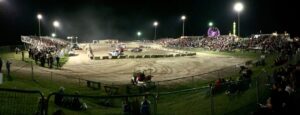
Start with two questions: how many seats do you need, and where do you need them? Fair grounds often have multiple show areas running simultaneously — demolition derbies, horse shows, livestock competitions, entertainment stages. Do you need all your seating in one location, or distributed across the grounds? Could any units move mid-fair as programming shifts?
The most common constraint fair organizers face is limited frontage in front of their most popular shows. You can’t extend the viewing area sideways — so the only way to add capacity is to go higher.
Mobile bleachers are available up to 15 rows tall. If you’re currently running 5-row units, replacing them with 15-row bleachers could triple your seating capacity in the same footprint — without taking up an additional inch of ground space.
This is the question we hear most often from fair organizers, and the answer depends on one thing: how often do you need the seats?
If you need a car for one week a year, you rent. The same logic applies to bleachers.
Most fairs land somewhere between two extremes:
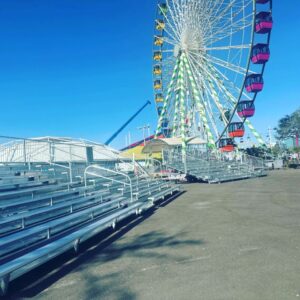
The most practical model for most fairgrounds is a hybrid approach: own what you need year-round, and rent additional units for fair week. Rental bleachers come in a full range of sizes and can be placed exactly where you need them, then removed when the fair ends.
👉 Get a rental quote | View bleachers available for purchase
As an event organizer, the safety of your seating is your responsibility — whether you own it or rent it. The
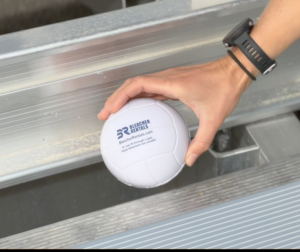
International Building Code (IBC) sets standard guidelines for bleachers across North America, covering stairs and handrails, side and back rails, gap sizes between rows, and more. Individual states and provinces may have additional local requirements.
Whether you’re buying or renting, always confirm that your bleachers meet both IBC and local building code standards. Any reputable bleacher supplier should be able to confirm compliance without hesitation.
For a full breakdown of what the IBC requires, see our Bleacher Safety Series — a complete guide to bleacher safety standards for event organizers.
The aesthetics of your fairgrounds matter more than most organizers give them credit for. Visitors notice — and the condition and quality of your seating contributes to their overall impression of the event.
Old, weathered bleachers signal a dated event. Modern, well-maintained mobile grandstands signal a professional, well-run fair that takes its guests seriously.
Ask yourself: what do my current bleachers communicate to someone seeing them for the first time? What is the lifetime value of a visitor who leaves with a positive impression — and comes back next year with their family?
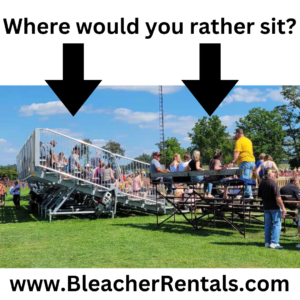
When planning seating for your fair, work through four questions:
Have questions about bleachers for your fair? We’re happy to help — whether that means a rental quote, a purchase inquiry, or just answering questions about what would work best for your specific grounds.
Running a rodeo rather than a fair? See our dedicated guide: Bleacher Seating for Rodeos.