
We host an annual event called the Norfolk Pro Rodeo on our farm — a community event we started in 2015 and has grown every year since. Each year we’ve stuck to our budget, grown attendance by about 20%, and generated around $100,000 in revenue. We put all profits back into the event to make it better the following year. You can learn more at www.NorfolkRodeo.com.
But it wasn’t always this way. This post is about what I did before the rodeo — and how I learned some very expensive lessons about event planning.
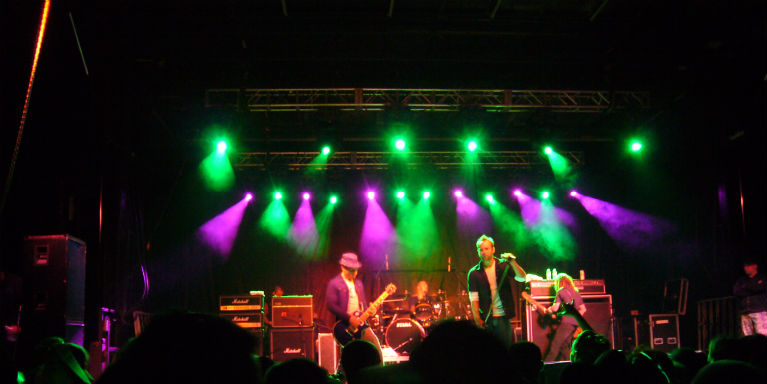
When I was 23 years old, I was convinced I could do anything I put my mind to. My favourite thing at the time was going to parties — so naturally, throwing massive concert weekends seemed like a logical life path.
I found a campground near the shore of Lake Erie in Southern Ontario, bought it, and started planning my first event: Erie Lake Fest, September 2009.
I budgeted $100,000, and optimistically projected that 2,000 people would pay $100 each — generating $200,000 in revenue. I would throw an amazing party and make $100,000 profit. Simple, right?
You can probably guess what happened next.
Event costs snowballed to $120,000. Revenue came in at $10,000. I lost $110,000 in a single weekend.
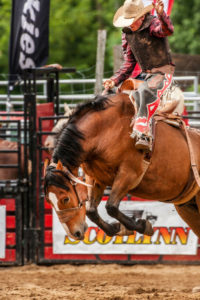
It was the hardest day of my life. After months of planning and work, I had to beg and borrow another $20,000 just so my headlining band would take the stage — for the 100 people who showed up. The band put on an incredible show, giving everyone there a personal and unforgettable experience. But the financial damage was done, and the noise and traffic had not impressed the neighbours or local council.
That weekend should have been the end of my event career — and it would have been, if I hadn’t already bought the campground.
I spent the next six months recovering — financially and mentally — and working hard at my other business to pay back the debt.
For the following season I decided to try a four-weekend concert series: one camping concert weekend on each long weekend of summer 2010. This time I budgeted $50,000 per weekend and aimed for 1,000 people at $100 per ticket.
For the May long weekend we booked the band Ill Scarlet, who did a great job promoting the event. We broke even. Progress.
I rented the venue to an outside promoter for Canada Day weekend, who brought in the band Classified with a $100,000 budget. He lost over half of his investment — same story, different person.
For the remaining two weekends of the series, we scaled way back — cut the budget to $20,000 — and generated around $40,000 each weekend. That was the turning point.
Over the next four years we hosted six to eight concert and camping weekends a year, until noise violations nearly put me in a very uncomfortable situation. But that’s a story for another day. (Spoiler: I never went to jail, and eventually sold the campground to move on to bigger and better things.)


Most first-time event planners are incredibly optimistic. They want to run the biggest, best event they can imagine right out of the gate. I love this quote from Jesse Itsler: “Start small, think big, scale fast.” Wise words — and words I wish I had heard at 23.
I recently read that 19 out of 20 events lose money on their first run. Those aren’t good odds. Running your first event on the smallest possible budget isn’t just financially smart — it also gives you the room to learn how your event actually flows before you’re managing thousands of people.
The first year we ran the rodeo, we were constantly adjusting things throughout the weekend. We had advertised gates opening at 10 AM with a pre-show at noon and main show at 2 PM. By 9 AM, our front gate wasn’t ready — and there was a lineup of cars down the road in both directions on a single-lane country road.
We started funneling cars in as fast as we could. Five hours later, the road was finally clear — probably the only time our country road has ever shown up red on Google Maps. It was a good problem to have, but if we had tried to go big that first year, it could have been a disaster. By starting small, we could see the problems as they arose and fix them before they became serious.
Here’s the formula I now use when budgeting a first-time event, using our rodeo as an example:
How did we cover that $15,000 gap? That’s the subject of our next post: 7 Mistakes First-Time Event Organizers Make — And How to Avoid Them.
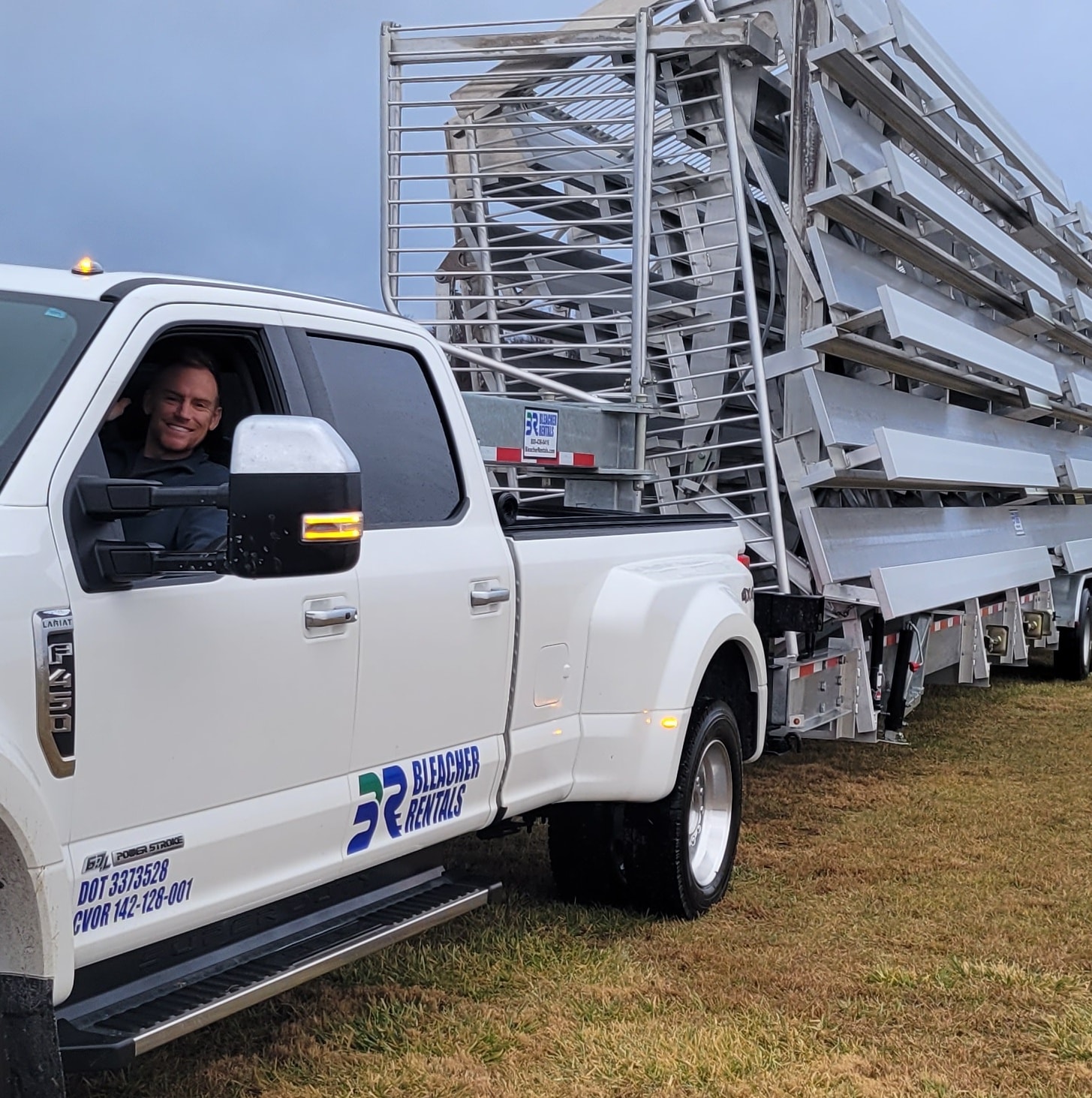
Mike is co-founder of Bleacher Rentals and co-organizer of the Norfolk Pro Rodeo with his wife, Krista.