
There’s a difference between putting on an event and creating an experience. Events attract first-time visitors. Experiences bring people back — and get them talking to everyone they know.
Here are five things that separate memorable events from forgettable ones.
Everything starts here. You can’t create a great experience for people you haven’t defined. Know your target market — specifically, not vaguely.
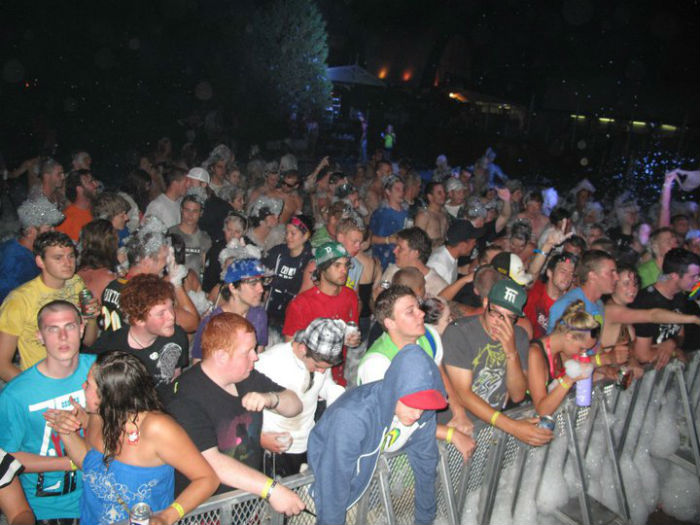
These two photos represent completely different audiences — different ages, different interests, different reasons for attending. Planning a memorable experience without knowing which group you’re targeting is guesswork.
Once you know who’s coming, plan for them. Think about noise levels (older guests rarely enjoy being next to a speaker stack), seating accessibility (old wooden bleachers with no stairs are dangerous for young children and seniors alike), and the amenities that matter to them specifically.
At our annual rodeo, our main audience is families with young children. That single insight shapes everything — we make sure there are scheduled kids’ events, activities between performances, and spaces for younger children to stay engaged. If the kids are having fun, the family stays. If the kids are done, everyone leaves.
The little things are what guests talk about afterward — not just the main event. Most of them cost very little.
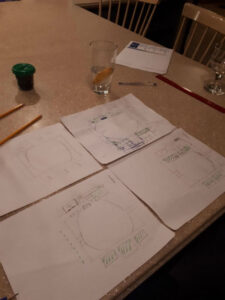
Before your event, sketch out your grounds layout. Map the flow from parking to entrance to seating to food to bathrooms. Walk through it yourself. Where will people get confused? Where will bottlenecks form? We try four or five layouts on paper before committing to one — and we change something every year.
Keep the grounds clean throughout the day. Assign volunteers specifically to check bathrooms, empty garbages, and tidy common areas during the event. Overflowing trash cans and dirty bathrooms leave an impression that outlasts any performance.
One of the most appreciated things we’ve added costs us nothing: a parent station for families with babies, set up by a local community health group in exchange for advertising their services. Visitors with young children notice it immediately. Small, free, and remembered.
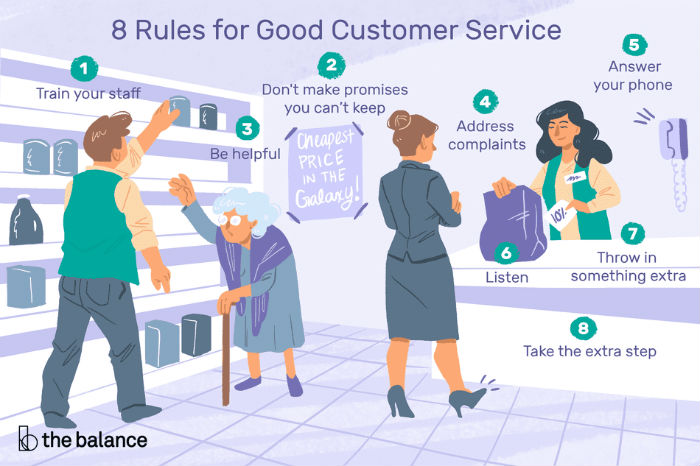
People remember how they were treated — sometimes more than what they saw.
Three things that cost nothing and make a measurable difference:
If people know exactly what they’re going to get, there’s no reason to talk about it afterward. The surprise element is what generates word of mouth.

This doesn’t have to cost money — it has to be creative. Can your sponsors donate door prizes? Can a local group donate a performance in exchange for exposure? Is there someone in your community with an unusual talent?
One year we arranged for performers from a local circus school to suddenly appear in the trees at our event and begin an aerial silks performance. The crowd gathered within minutes — nobody saw it coming.
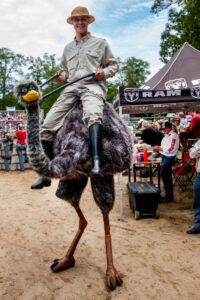
Another year we hired a busker who rode through the crowd on a life-sized mechanical ostrich, stopping for selfies. It cost almost nothing. It generated more social media posts than anything else we’d ever done at the event.
The lesson: unexpected, shareable moments don’t have a price tag. They require creativity.
Nothing about your event is perfect. The only way to know what needs to change is to ask.
During the event, mingle with guests. Ask how they’re enjoying it. Listen for patterns in what they say. After the event, send a survey — we use SurveyMonkey, which is free. Ask questions designed to surface problems, not just collect compliments. Offer a small incentive for completing it — a donated prize from one of your sponsors works well.
Then act on what you hear. Some of the most consistent feedback from our first year was that guests wanted more food vendors and safer, more accessible seating. We added food options year over year, and the seating feedback is literally the reason Bleacher Rentals exists — we went looking for a safe, affordable mobile bleacher and couldn’t find one.
Feedback is free product research. Use it!
Events that are meaningful, surprising, and personal are the ones people remember. The details — a welcoming gate volunteer, a clean bathroom, an unexpected performer wandering the crowd — are what drive repeat attendance and word of mouth. Your main attraction gets people there the first time. Everything else determines whether they come back.