
The question most event organizers ask is not whether to rent or buy bleachers, it is how to get the right number of seats, in the right place, without the wrong kind of headache. For schools managing a packed athletic calendar, community groups running their biggest event of the year, and fair boards and rodeo committees who need seating for one important weekend, renting answers that question better than a permanent installation does.
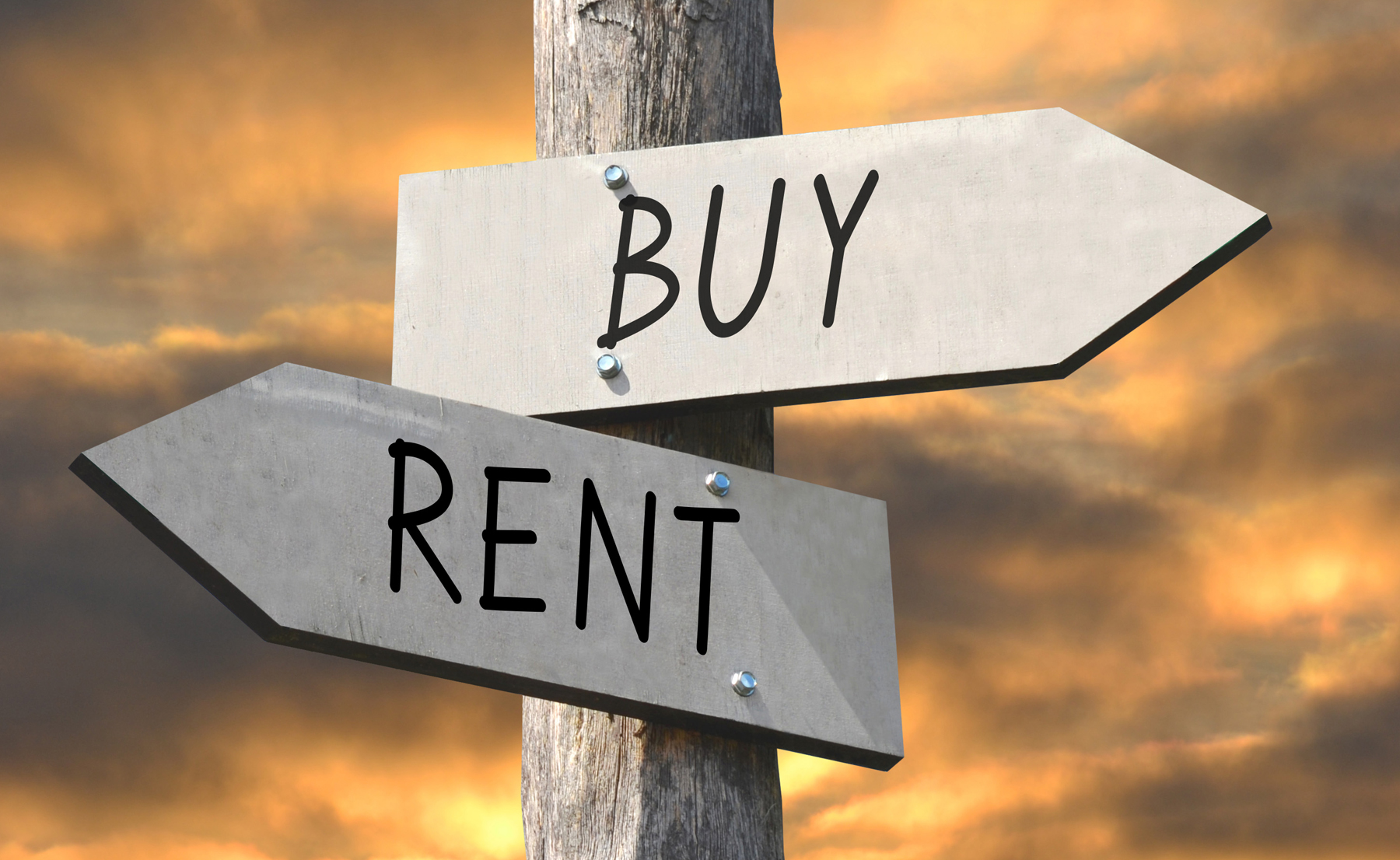
If your organization runs programming out of a fixed facility five or more days a week, has stable and predictable attendance, and has the capital budget and infrastructure to support a permanent installation — buying is worth serious consideration.
Universities, professional sports facilities, and large municipal recreation complexes with dedicated maintenance staff and significant year-round programming are good candidates for permanent bleacher investment.
That is a specific profile. Many schools already have permanent bleachers and use rental units to supplement capacity for playoff games, graduations, and tournaments that draw bigger crowds than a regular season game accounts for. Agricultural societies, fair boards, and community organizations running their signature annual event often find that renting serves them better than investing in permanent seating that sits idle the other fifty weeks of the year. For those organizations, renting is not a fallback — it is the right fit.
The purchase price is only part of what permanent bleachers actually cost over time.
The full cost of owning permanent bleachers includes installation, which is rarely cheap for a structure engineered to hold hundreds of people. It includes annual inspections, because a bleacher structure that is not regularly inspected is a liability, not an asset. It includes maintenance and repairs as the structure ages, corrosion sets in, and components need replacing. It includes insurance and the eventual cost of replacement or major refurbishment when the structure reaches end of life.
None of those costs appear on the quote when you buy. All of them show up eventually.
For an organization that uses bleachers a handful of times per year, those fixed ownership costs frequently exceed what rental would cost over the same period — especially when capital budget approval, storage requirements, and ongoing maintenance management are factored in.
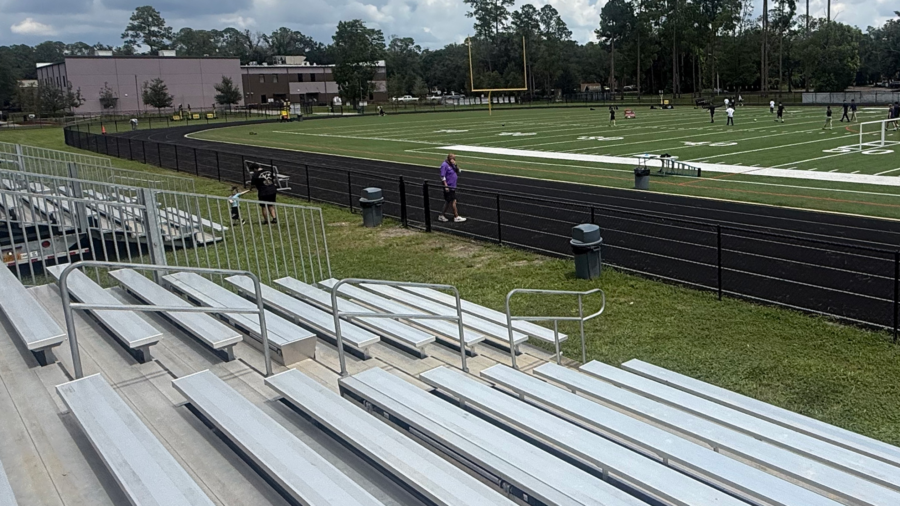
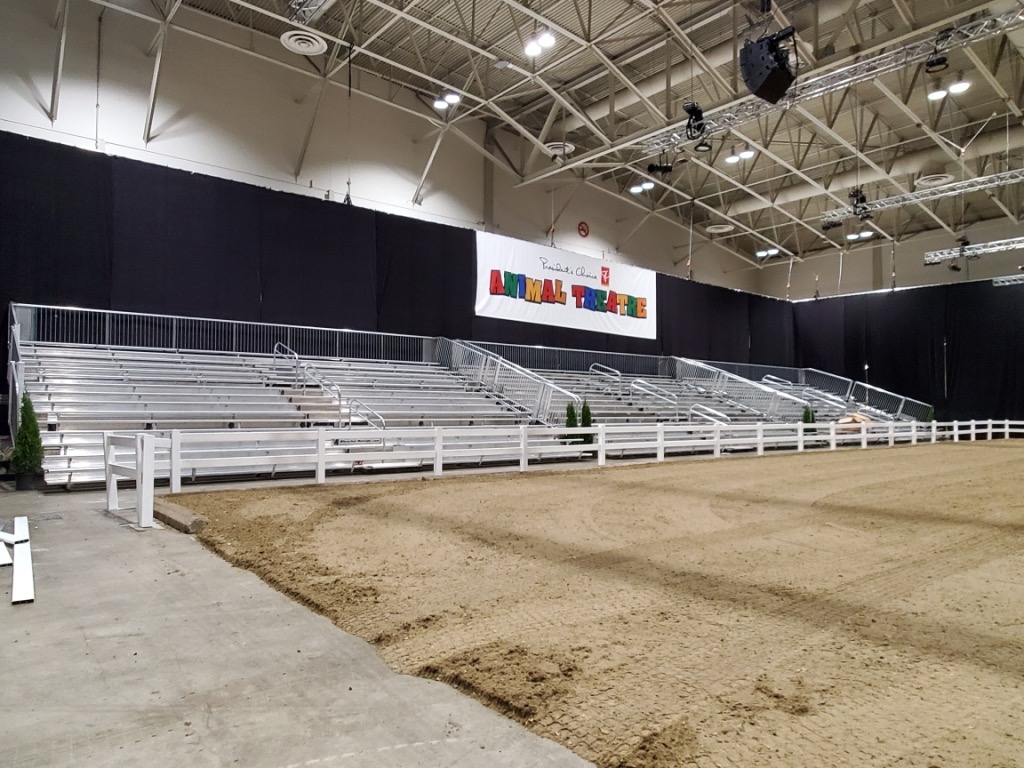
For most organizations that rent bleachers, flexibility is not a nice-to-have. It is the whole point.
A county fair that draws 2,000 people to the main arena on Friday and needs those same units repositioned for a demolition derby on Saturday cannot do that with permanent seating. A school that hosts a regional tournament this fall at their own facility and a playoff game next spring at a neutral site needs seating that travels. A rodeo committee that runs preliminary events at one venue and finals at another needs the flexibility to put seating where the event actually is.
Permanent seating answers none of those situations. It sits where it was installed, at the capacity it was built for, on the schedule the facility operates.
Permanent bleachers are built once, for one number. If your event attendance grows beyond that number — a rivalry game that draws three times the usual crowd, a fair that adds an attraction pulling more people through the gate, a graduation with more families attending than the previous year — your permanent seating does not grow with it.
Rented seating scales. If you need 500 more seats than last year, we bring 500 more seats. There is no ceiling built into steel and concrete that you have to plan around or pay to expand.
Every unit we deploy is inspected before it leaves our yard. After setup at your venue, our driver does a full walkthrough to confirm everything is positioned and secured correctly. That inspection happens every event, for every rental. It is not a separate line item and it is not optional.
The same cannot always be said for permanent bleachers that sit for months between seasons. Inspection frequency matters more than ownership status — and rented bleachers that are checked before every use start from a strong baseline.
You can read more about what a proper bleacher safety inspection covers in our Bleacher Safety Series.
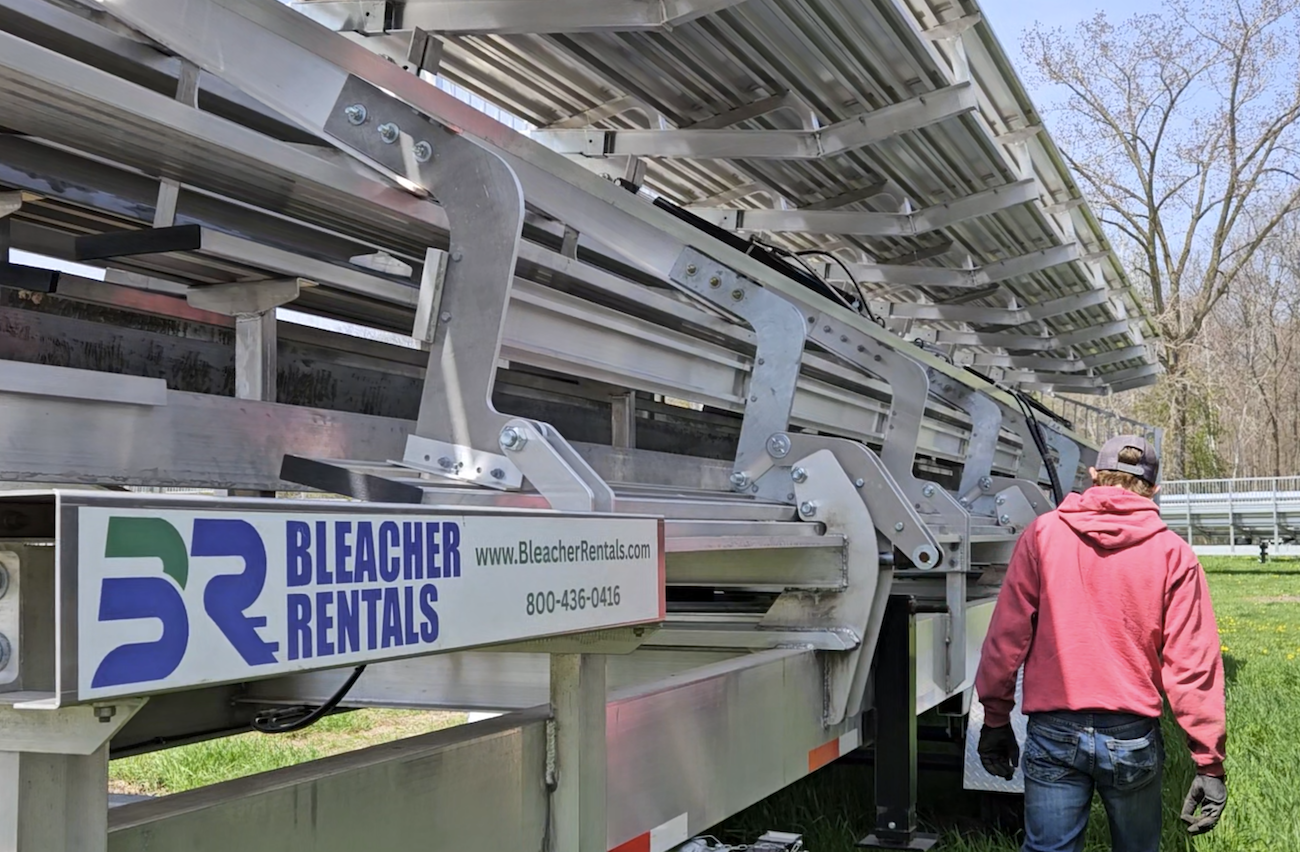
Renting is not only for organizations with no permanent seating at all.
Some of the most practical rental customers are schools and fairgrounds that have permanent bleachers and need additional capacity for the events that matter most. A playoff game, a graduation, a regional championship, or a closing concert draws more people than a standard Tuesday game accounts for.
Rather than building permanent seating sized for the biggest crowd you might ever draw — and leaving most of it empty most of the year — you size your permanent seating for typical attendance and rent additional capacity only when you actually need it. That is a more efficient use of both space and capital than building for peak capacity you will rarely fill.
Experienced event organizers treat bleacher seating the same way they treat vendors, permits, entertainment, and insurance — they book it early and book with experienced companies. The organizations that run into availability issues are almost always the ones that left seating as an afterthought or choose the wrong supplier.
Book early and availability is rarely a concern. It also gives you time to confirm site access, finalize your layout, and make sure delivery fits your event day schedule without any last-minute pressure on either side.
That said, who you book with matters. A general event supplies company that carries a few bleacher units alongside tables, chairs, and tents operates very differently from a company that specializes exclusively in mobile bleacher rentals and maintains dedicated inventory across multiple regional hubs. Bleacher Rentals does one thing — mobile bleacher rentals — and we maintain inventory across Ontario, New York, Texas, Florida, Georgia, and beyond. When you book with us you are drawing from a dedicated bleacher inventory managed by people who do this every day, not competing for availability against someone else’s tent order.
For some organizations, the answer sits between renting and buying permanent bleachers. Mobile bleacher units are available for purchase — and for rodeos, fairs, schools, and community groups that need seating year after year at the same event, owning a set of mobile units can make a lot of sense.
Unlike permanent bleachers, mobile units can be moved to wherever your event is happening, stored compactly in the off-season, and repositioned on your grounds as your layout changes from year to year. You get the ownership and control of buying without the fixed-in-place limitations of a permanent installation.
For organizations that run one or two significant events annually and want to stop thinking about rental logistics altogether, purchasing mobile bleachers is worth considering alongside renting. We sell mobile bleacher units across North America and are happy to help you figure out whether buying or renting makes more sense for your specific situation.
View our mobile bleachers for sale or get a rental quote here.
Renting keeps the transaction in your operating budget. For schools and community organizations, that typically means the decision stays within the signing authority of an athletic director, fair manager, or event coordinator — without a capital purchase proposal going to a board for approval. That matters when your event is six weeks away and you need seating confirmed today.
When the event is over, the bleachers leave. You do not have to figure out where they go, who inspects them next year, or what happens when a component needs replacing. That is not a limitation of renting. For most organizations, it is the point.
If you are wondering what the rental process actually looks like from first contact to teardown, here is exactly how it works.

Krista is the co-founder of Bleacher Rentals and co-organizer of the Norfolk Pro Rodeo. She loves to share her knowledge on event planning, temporary seating solutions, and bleacher safety gained from years of experience supporting rodeos, fairs, festivals, and sporting events.