
When planning an event, one of the most important things you can do early in the process is define your target market. Not just broadly — specifically. The clearer you are about who you’re trying to attract, the better every other decision becomes: your marketing spend, your vendor selection, your entertainment, your pricing, and your overall guest experience.
Here’s the thing most first-time event organizers get wrong: your target market is not everyone.

A target market is the primary group of people you are trying to attract to your event. They share similar characteristics — things like age range, location, income level, interests, and family situation.
Defining your target market doesn’t mean other people can’t attend. It simply means these are the people most likely to buy tickets and make the effort to come. Once you know who they are, you can build your event — and your marketing — around them.
Here’s how we define the primary target market for our annual rodeo:
Age: 25–55
Gender: Skews female (typically the household decision-maker for family outings)
Income: $30,000–$90,000
Family: Has children aged 3–12
Location: Within 1 hour of the event, likely in a rural or farming community
Transportation: Owns a vehicle
Interests: Animals, agriculture, outdoor events, family activities
This doesn’t mean men, older adults, or people from further away don’t attend — many do, and they’re welcome. But this profile represents the person most likely to see our advertising, get excited about the event, and actually buy tickets. Everything from our Facebook ads to our half-time entertainment is designed with this person in mind.
We also identify a secondary market: grandparents within an hour who come along with their grandchildren. Recognizing this group helps us make sure the event experience works for them too — accessible seating, appropriate pacing, and activities the whole family can enjoy together.
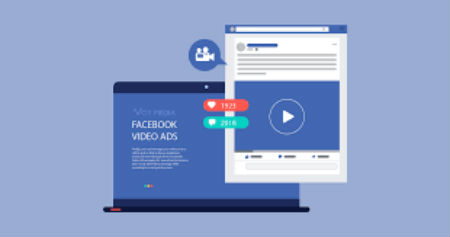
Once you know your target market, you know where to find them — and just as importantly, where not to waste money looking.
For our rodeo, our primary audience is largely not reading the local newspaper, so we don’t advertise there. They are active on Facebook, so we run targeted Facebook ads to reach exactly the demographic we defined above — the right age, the right location, the right interests. The result is a much more efficient use of our marketing budget.
This same logic applies to every marketing channel you consider.
Ask yourself: is my target market actually there? If not, move on.
Knowing your audience doesn’t just improve your marketing — it improves the event itself. Small details that speak directly to your target market make the experience feel thoughtful and personal.

(We run a “kids rodeo” during the half-time intermission at our rodeo. It’s a huge hit with kids — and keeps families staying longer.)
A few practical examples:
Take some time early in your planning process to work through these questions:
Write it down. Be specific. Then ask yourself: does everything about this event — the entertainment, the vendors, the pricing, the marketing — speak directly to this person?
If the answer is yes, you’re on the right track.