
Convincing a stranger to attend an event they’ve never heard of — run by someone they don’t know — is genuinely hard.
You don’t have credibility yet. What you do have is personal investment, and that’s your biggest marketing asset. Nobody will sell your event more convincingly than you.
Here’s the framework we’ve built over several years of promoting our annual rodeo — starting with nothing and growing to a sold-out event.

Before spending a dollar on advertising, find the people who are naturally connected to your event.
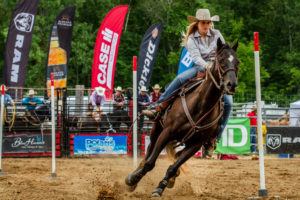
At our rodeo, many local competitors travel long distances to compete. Their friends and family wanted to watch them ride — and they didn’t need convincing. That group was our biggest first-year draw, and it cost nothing. Find locals to compete or perform at your event and let them bring their own audience. It’s the most efficient marketing that exists.
Every person who buys a ticket either came looking for you — or you found them. Your marketing strategy needs to cover both.
List your event everywhere people search for things to do — local newspapers, radio stations, tourism websites,
community Facebook groups, and event listing platforms. Write a one-page press release and send it to every outlet that might run it. This takes time but costs nothing, and it puts you directly in front of people actively searching for events.
Do this early — four months out or more.
This is where your advertising budget goes. Know your target market before spending a cent — who are they, where do they spend their time, and what will actually reach them? Posters work for some audiences. Facebook ads work for others. Reaching the wrong people with the right message is still wasted money.
The more times someone sees or hears about your event before the date, the more likely they are to buy a ticket. Repetition matters — find ways to keep showing up in front of your audience across different channels.
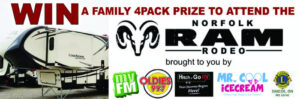
One important reality check on advertising spend: selling $100 in tickets for every $100 spent on advertising is not breaking even. Your advertising has to generate many times its cost to cover the full expense of running the event. Spend carefully — especially in year one.
One of the most underused marketing tools for first-time event organizers is sponsorship. When a company sponsors your event — even at a small level — they become invested in its success. They’ll put up your posters, share your social media posts, and tell their customers about the event without being asked.
At our rodeo we have around 40 sponsors. The majority contribute about $300 each. That adds up financially, but the bigger value is 40 businesses actively promoting the event to their own networks. A tiered sponsorship package with an accessible entry-level option maximizes how many businesses get involved.
Here’s a practical list of what we use to promote our annual rodeo — organized by channel:
Free and community channels:
Social media:
Paid advertising:
Owned channels (build these over time):
Text campaigns — we didn’t use this until year four when we had a meaningful list of previous attendees. Highly effective once you have the audience
Spend as little as possible and find as many free channels as you can. Your goal in year one isn’t to maximize reach — it’s to learn which channels actually work for your specific audience and your specific event. That information is worth more than any advertising campaign.
Every year you’ll know more. Use it.