If you’ve ever planned a large event, like a wedding, you know the to-do list is long. When you’re organizing a public, ticketed event, that list gets even bigger and more complex.
It can feel overwhelming. Where do you even start? What needs to get done, and when? Some things like permits and insurance, have firm deadlines. Others can’t be tackled until the final stretch. Getting the timing right is half the battle.
From our years of planning multiple events, we’ve found that breaking your master to-do list into mini-deadlines is the most effective way to stay organized and on track. It also makes it easy to delegate — assigning tasks to the right people based on their strengths ensures nothing slips through the cracks.
Before diving in, a couple of tips that make this process work:
Break it into deadlines. Rather than one overwhelming list, organize your tasks by how far out from the event they need to happen. This turns a mountain into a series of manageable milestones.
Delegate early. Decide who on your planning team is responsible for each area — whether that’s logistics, paperwork, marketing, or vendor coordination. Matching tasks to the right people based on their strengths makes everything run more smoothly.
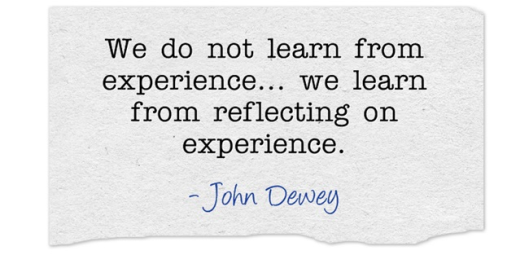
Keep it as a living document. Add to it as new tasks come up, and update it each year based on your post-event reflections.

Download Event Planning Checklist
This is the phase for locking in the big-picture items that have limited availability or long lead times:
With the big pieces in place, this phase focuses on logistics, compliance, and early marketing:
Now it’s time to shift into promotion mode:
With the event approaching, focus on confirming everything already booked and filling any gaps:
The final stretch — time to get the details locked down:
Don’t close the book too quickly — what you do after the event directly impacts how good next year’s event will be:
Why Post-Event Reflections Matter
Don’t overlook this final step. After the event wraps up, gather input from volunteers across different areas of the event — ticketing, vendors, parking, entertainment — and compile everything into a single document.
Then put it away for six months.
When you start planning next year’s event, pull it out. You’ll be amazed how useful it is to have an honest record of what worked and what didn’t, written while it was all still fresh. This practice has been one of the most valuable things we do as event organizers — and it costs nothing but a little time.
Good luck with your planning! If you have questions or suggestions, feel free to leave a comment below.