
Bleachers continue to be an important part of our community events and a great way to seat large crowds around a central show. But have we given enough thought to the safety of those bleachers?
I run into a lot of event organizers who believe: “If it ain’t broke, then why fix it.” That may be fine for some things, but it isn’t the right approach when it comes to keeping your guests safe on bleachers. Preventative maintenance and regular code reviews are a far better approach — both for your guests’ safety and your own liability protection. If a back or side railing breaks at height, it may already be too late.
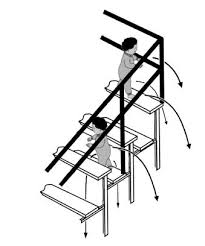
In December 1999, the US Consumer Product Safety Commission released a formal recommendation regarding bleachers and grandstands, made in direct response to tens of thousands of serious injuries and deaths caused by falls from bleachers. The majority of victims were children between the ages of 2 and 10. Most of these falls were the result of missing or inadequate side and back rails.
(Full report: https://www.cpsc.gov/s3fs-public/330.pdf)
The International Building Code (IBC) sets out the following requirements for bleacher railings:
(IBC reference: https://codes.iccsafe.org/content/ICC3002012/chapter-4-egress?site_type=public)
When I was researching what it would take to start a bleacher rental company, I reviewed over 200 fairs, festivals, and rural events. I wanted to know three things:
Here’s what I found:
This raised serious questions: why would we have a building code and not enforce it on mobile bleachers? Thousands of people sit on these structures every year, yet many don’t require engineered drawings or annual structural reviews.
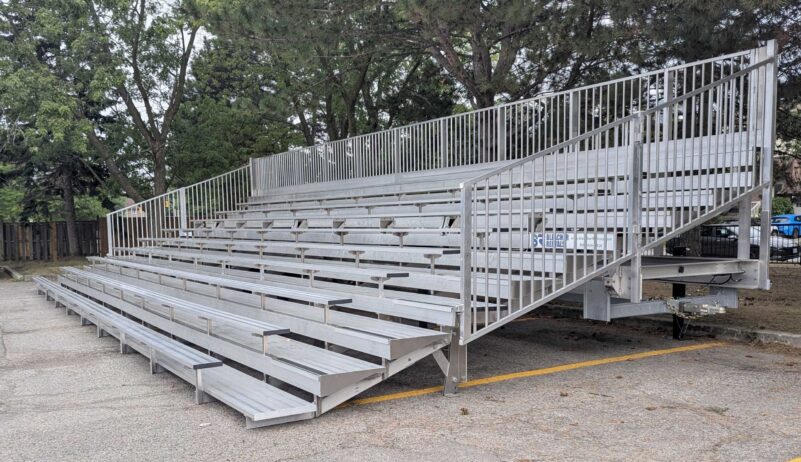
Most older bleachers were built with horizontal side and back rails with large gaps between them. Here’s why:
That last point is worth highlighting: the Ontario Building Code allows horizontal rails on outdoor bleachers — even at heights of 8 feet or more — while requiring vertical rails on a residential deck that’s just 2 feet high. Vertical rails are mandatory under the full International Building Code requirements and, in our view, are essential for any safe bleacher regardless of what local code permits.
Whether you own your bleachers or rent them, always confirm that your railings meet building code before your event opens. Look specifically for:
Is the risk of injury to your guests — and potential lawsuits — worth it? Or would you sleep better knowing your bleachers have safe, code-compliant rails?
👉 Download our free Bleacher Safety Checklist to walk through a full IBC inspection of your bleachers.
🔒 Want everything in one place? A Complete Guide to Bleacher Safety PDF is coming soon — free for event organizers. Sign up to be notified.

Krista is the co-founder of Bleacher Rentals and co-organizer of the Norfolk Pro Rodeo. She loves to share her knowledge on event planning, temporary seating solutions, and bleacher safety gained from years of experience supporting rodeos, fairs, festivals, and sporting events.